Aquatic animal health code : nineteenth edition, 2016
The standards in the Aquatic Code are based on the most recent scientific and technical information and have been formally adopted by the World Assembly of OIE Delegates.
PANORAMA is a partnership initiative to facilitate learning from success in conservation. It promotes examples of inspiring solutions that showcase how nature conservation can benefit society. This booklet is the third in a series of compilations assembling PANORAMA solution case studies on a defined topic. “Solutions in Focus” zooms in on a topic of interest covered by PANORAMA, allowing to explore common elements and shared learnings across success stories.
A 26-page manual describing the site selection, hatchery design, spawning, larval rearing, natural food production, and economic analysis for milkfish.
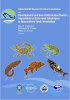
This proceedings contain the country reports, review papers, a synopsis of working group discussions and a list of regional policy recommendations for the development and use of alternative dietary ingredients in aquaculture feed development.
The journal aims to share theories, managements, and practices at international, national and local levels with researchers, policy makers, managers and other stakeholders, and thereby to advance ocean and coastal policy regimes at all levels. The journal is dedicated to full range of ocean and coastal policy studies.
The Arctic is an increasingly important region faced with major challenges caused not only by the effects of climate change, but also by a growing interest in its living and non-living resources, its attraction as a new destination for tourism, and as a route for navigation. It is not only the eight Arctic States that have paid an increased level of attention to the region; several non-Arctic actors from Asia and Europe also seek to gain more influence in the High North.
“International Workshop on Resource Enhancement and Sustainable Aquaculture Practices in Southeast Asia” was held in Iloilo City from 5 to 7 March 2014. This international workshop aimed to promote and augment regional initiatives on resource enhancement and sustainable aquaculture practices, and to contribute to poverty alleviation, livelihood and food security.
Reducing the environmental footprint of aquaculture has become a high priority as part of the drive for greater sustainability in modern society. To date, a major concern has been the challenge of feeding farmed fish with products that are nutritious but, at the same time, economically and environmentally sustainable. This guide sheds sheds light on the different sources of feed ingredients provided to fish during their life cycle.