
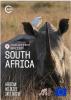
Country brief: South Africa
2025
Ity tatitry ny fiantraika ity dia manome ny antsipirian’ireo vokatra miabo maro azo avy amin’ny hetsika nataon’ireo fiarahamonim-pirenena nahazo famatsiam-bola – sy ireo fiarahamonina notohanan’izy ireo – mba hanampy amin’ny fitarihana ireo hetsika ho avy. Amin’ny ankapobeny, ny hetsika SOS Lemurs dia nandray anjara tamin’ny fomba maro mba hiantohana ny fahavelomana maharitr’ireo biby tena manan-danja ireo.
Ce rapport d’impact détaille les nombreux résultats positifs obtenus par ces bénéficiaires de la société civile, ainsi que par les communautés locales qu’ils soutiennent, afin d’orienter les activités futures. Dans son ensemble, l’initiative SOS lémuriens a contribué de plusieurs façons à assurer la survie à long terme de ces animaux extrêmement importants.
This impact report details the many positive results achieved by these civil society grantees – and the local communities they support – to help guide future activities. Overall, the SOS lemurs initiative has contributed in many ways to ensuring the long-term survival of these hugely important animals.
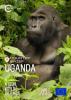
Uganda is a biodiversity-rich country home to iconic species including over half of the world’s mountain gorillas. Spanning around 241,000 km², it has a robust network of protected areas including 10 national parks, 12 wildlife reserves, and five community wildlife areas covering over 10% of its land.

Le Niger compte un patrimoine naturel exceptionnel et divers. Il abrite plusieurs espèces sahariennes menacées emblématiques comme l’addax (Addax nasomaculatus), la girafe du Niger (Giraffa camelopardalis peralta), la gazelle dorcas (Gazella dorcas), le mouflon à manchettes (Ammotragus lervia) et la gazelle dama (Nanger dama). Ces espèces jouent des rôles écologiques cruciaux et sont des symboles vitaux de la biodiversité du pays.

Niger boasts a diverse and unique natural heritage, home to several iconic and threatened Saharan species such as the Addax antelope (Addax nasomaculatus), West African giraffe (Giraffa camelopardalis peralta), Dorcas gazelle (Gazella dorcas), Barbary sheep (Ammotragus lervia), and Dama gazelle (Nanger dama). These species play crucial ecological roles and are vital symbols of the country’s biodiversity.
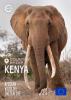
Kenya, a cornerstone of Africa’s biodiversity, is world-renowned for its rich tapestry of ecosystems from vibrant coastal mangroves and savannahs to arid rangelands and montane forests. Spanning over 580,000 km², Kenya boasts an extensive network of protected areas, including 23 national parks, 28 national reserves, and a growing number of conservancies, now covering more than 6.5 million hectares.

La République démocratique du Congo (RDC) est l’un des pays présentant la biodiversité la plus riche au monde. Il abrite plus de 10 000 espèces de plantes et une faune emblématique comme le gorille de montagne, le bonobo, l’okapi et l’éléphant des forêts. Ses écosystèmes comprennent les vastes savanes, zones humides, forêts montagneuses et forêts tropicales du bassin du Congo, qui, pour beaucoup, sont d’importance mondiale.

The Democratic Republic of the Congo (DRC) is one of the world’s most biodiverse countries, home to over 10,000 plant species and iconic wildlife like mountain gorillas, bonobos, okapis, and forest elephants. Its ecosystems include the vast Congo Basin rainforest, savannas, wetlands, and montane forests, many of which are globally significant. However, this biodiversity faces significant conservation challenges, exacerbated by socioeconomic instability.