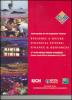
The Vth IUCN World Parks Congress was the largest gathering of protected area experts. In September 2003, some 3,000 participants met in Durban, South Africa for 10 days of reflection, discussion, debate and networking to consider the state of the world's protected areas, the challenges they face and the opportunities that lie ahead. Are included the reports on the plenary sessions, symposia and workshop, as well as the main outputs from the event.
The traditional patterns of land use that have created many of the worlds cultural landscapes contribute to biodiversity, support ecological processes, provide important environmental services, and have proven sustainable over the centuries. Protected landscapes can serve as living models of sustainable use of land and resources, and offer important lessons for sustainable development.
With more than 70 individual sites, nationally and internationally designated, in the Western Indian Ocean, there is a growing need to ensure and improve the management effectiveness of the marine protected areas. This toolkit aims to act as a first point of call in the search for information on issues that MPA managers and practitioners face in day-to-day operations.
"Protected Area Management: Principles and Practice 2e" examines the multi-disciplinary task of managing protected areas. This second edition of this authoritative text has been updated, expanded and includes new Australian and international case studies. This comprehensive text is an essential text for students and an invaluable resource for practitioners and all readers who are concerned about conservation.
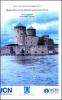
The IUCN system for classifying protected areas distinguishes six management categories (I-VI). This publication aims to further clarify how they can be interpreted within Europe, in order to help protected areas managers and others concerned with protected areas to apply the IUCN system more consistently to ensure reliable categorisation and data gathering
The Proceedings of the Sustainable Finance Stream provide insight as to how to secure the long-term financial visibility of parks and conservation areas. This contribution offers many alternatives for generating revenues and emphasizes the need to adopt a business approach to management of protected areas in general. It also looks closely at the policy and institutional opportunities and constraints in order to provide the broader context in which manager are expected to operate.