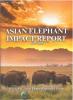
Gajah guidelines: IUCN SSC AsESG technical report series
2025
A compilation of nine working group reports.
A compilation of nine working group reports.

This report tells the story of 10 years of the Asia Protected Areas Partnership (APAP) and the impact it has had. Understanding the impact of a wide-ranging partnership is never easy; outputs such as the 2nd Asia Parks Congress (APC2) reported here were only possible thanks to the efforts of a multitude of individuals and organisations. This report thus considers impacts based on APAP’s overarching objectives.


In order to promote and augment regional initiatives on sustainable aquaculture, aquatic animal health and resource enhancement, and to consequently contribute to poverty alleviation, livelihood and food security, the Southeast Asian Fisheries Development Center/Aquaculture Department (SEAFDEC/AQD) has held a 3-day workshop on the “Promotion of Sustainable Aquaculture, Aquatic Animal Health and Resource Enhancement in Southeast Asia (SARSEA)” on 25–27 June 2019 in Iloilo City, Philippines.

Mountains are at the frontline of climate change, exacerbating existing vulnerabilities and socio-economic inequities for both mountain communities and those downstream. However, mountain communities have the capacity to adapt to these changes and mitigate the impacts of climate change. By utilizing the opportunities created by ecosystem services, mountain communities can build climate-resilience, resource security and consistent livelihoods.


Engaging with business is vital for moving towards a more sustainable future. This paper examines nine different business and biodiversity platforms from across the IUCN network. This study aims to explore the benefits and challenges associated with these initiatives, so others undertaking this journey can be inspired and learn from these experiences.
To showcase how increased returns on investment opportunities can be achieved by applying a nexus approach, best practices of the water-energy-food nexus were collected in the form of several case studies. The best practice cases focus on water, energy and food security dimensions that advance socio-economic development and propose the nexus as a promising approach to resolving competition over limited resources.
To showcase how increased returns on investment opportunities can be achieved by applying a nexus approach, best practices of the water-energy-food nexus were collected in the form of several case studies. The best practice cases focus on water, energy and food security dimensions that advance socio-economic development and propose the nexus as a promising approach to resolving competition over limited resources.