
WCC-2025-Res-140 - Activity Report
Submitted by
leravallecc
on Thu, 03/12/2026 - 09:44
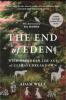
The stories we usually tell ourselves about climate change tend to focus on the damage inflicted on human societies by big storms, severe droughts, and rising sea levels. But the most powerful impacts are being and will be felt by the natural world and its myriad species, which are already in the midst of the sixth great extinction. The End of Eden invites the reader to meet wild species on their own terms in a range of ecosystems that span the globe.
This volume provides comprehensive overviews of each European bat species’ biology including palaeontology, physiology, genetics, reproduction and development, ecology, habitat, diet, mortality and age determination. Their economic significance and management, as well as future challenges for research and conservation are also addressed. Each chapter includes a distribution map, a photograph of the animal and key literature.
The findings of the report point out the importance of joining forces for acting now as well as the huge potential that resource efficiency can have, if it is implemented carefully and supported across different sectors and at multiple levels. The pressing need to invest in resource efficiency could actually lead to a positive economic outcome. The report shows how resource efficiency can lead to higher economic growth and employment, if supported by well-designed policies.
Las especies son los pilares fundamentales de los ecosistemas. Garantizan la salud, la estabilidad y la resiliencia de los sistemas naturales que sustentan la vida en la Tierra. Cuando estos pilares comienzan a colapsar, debido al declive o la extinción de especies, ecosistemas enteros pueden desmoronarse lo que desata una serie de efectos en cadena sobre la biodiversidad, el bienestar humano y la salud ambiental mundial.
Les espèces sont les éléments de construction des écosystèmes. Ils assurent la santé, la stabilité et la résilience des systèmes naturels qui sont au fondement de la vie sur Terre. Lorsque leurs populations s’effondrent, que les espèces déclinent, voire s’éteignent, les effets en cascade de ces effondrements sur la biodiversité mettent en péril des écosystèmes entiers, le bien-être des êtres humains et l’ensemble de la santé environnementale.
Este libro tiene como objetivo crear una fuerte conexión con respecto al agua y los humedales entre la sociedad y la naturaleza en la Sierra Gorda y entre la Sierra Gorda y el mundo. Varias otras localidades, en particular las zonas áridas de gran altitud en todo el mundo, enfrentan problemas similares relacionados con la gestión del agua y humedales. Cómo es que las experiencias de la Sierra Gorda puedan contribuir a la solución de estos dilemas en diferentes regiones?
Este primer volumen de la Colección Humedales destaca aspectos de la potencialidad de remediación que tienen las plantas acuáticas mexicanas, además de otras de sus aplicaciones, resaltando cuál es su estado de amenaza o peligro de extinción. La obra documenta la distribución de las especies tanto nativas como introducidas en el país con base en una literatura vasta, e incluye 30 ilustraciones botánicas.