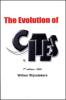
This comprehensive publication presents a history of the evolution of CITES. It begins with the basics and guides the reader through its complex structure. The provisions of the Convention are clearly highlighted in the book, and the numerous resolutions and decisions are explained.
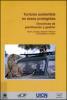
The link between protected areas and tourism is as old as the history of protected areas. Though the relationship is complex and sometimes adversarial, tourism is always a critical component to consider in the establishment and management of protected areas. These guidelines aim to build an understanding of protected area tourism, and its management. They provide both a theoretical structure and practical guidelines for managers.
This comprehensive publication presents a history of the evolution of CITES. It begins with the basics and guides the reader through its complex structure. The provisions of the Convention are clearly highlighted in the book, and the numerous resolutions and decisions are explained.
27% of the world's coral reefs have been lost and 14% are predicted to be destroyed in the next 10 to 20 years. These are the predictions of the world's most authoritative document on the health of reef systems. Released by the Global Coral Reef Monitoring Network (GCRMN), a consortium of major reef monitoring groups in the world, in partnership with IUCN - The World Conservation Union and others, the new report reveals an erratic pattern of damage and recovery worldwide.
This report was written to provide an overview, without the use of scientific jargon, of the status of coral reefs and causes of reef decline, with recommendations for action by national authorities. This second edition is a major expansion and improvement on the first edition written in 1998.
Mitigating the impact of climate change presents governments and communities throughout the world with one of the main environmental challenges of our times. This publication provides an overview of the opportunities and challenges for carbon sequestration activities in the forestry and agricultural sectors of both industrialized and developing countries.
This international prizewinner distills the research of hundreds of scientists in this brilliant overview of the interconnectedness of life on Earth. Through breathtaking illustrations and lively narration, readers learn that every organism plays a role essential to the planet and, in surprising ways, to human economies and health. How can we protect these living things and hence our world? The authors weigh the ideas of science and world governments.