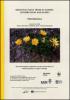
Cycads were a dominant part of the earths flora during the age of the dinosaurs and many species were common even in more recent times. However, many of the 297 species and sub-species dealt with in this Action Plan are threatened by habitat destruction and plant collecting, and more than half the known species are now classified as threatened.
Consistent evaluation and new recommendations for action are required of protective measures to address threats that were unrecognised or non-existent until recently. Global warming, noise pollution and reduced availability of prey are now of great concern. The all too familiar threats of accidental killing in fishing gear and exposure to toxic chemicals remain almost intractable. This Action Plan reviews threats and offers possible solutions.
This collection of 52 papers and 21 abstracts focuses on sharing available knowledge to combat the threat of invasive alien species. Turning the target_ide of biological invasion by eradicating invasive species can yield substantial benefits for biodiversity conservation. As more eradications are attempted worldwide, it is increasingly important that lessons are learned from each and every one of these attempts, whether successful or unsuccessful.
These proceedings provide an overview of the ongoing research and management activities on polar bears in the circumpolar arctic. Together with the previous 12 proceedings, they provide an historic record of international efforts in protecting polar bears from over-harvest and document more recent concerns of threats arising from increased human activities in both the Arctic and in regions far beyond the realm of polar bears.
Once one of the most abundant grazing animals, now only seven species remain. Equids persist in some of the harshest climates and terrains in the world, habitats which are also home to many human populations. Conservation will depend on local nomadic pastoralists participating in, and benefiting from, the conservation management of their areas.