Forum régional zones humides, 12-14 juin 2002, Kompienga, Burkina Faso

2002
Lamizana-Diallo, Birguy |
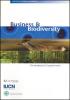
This handbook provides information on the business case for biodiversity, as well as current biodiversity issues for business, and guidance on corporate biodiversity strategies. The current status of the debate is illustrated by specific case stories, thus providing an opportunity for companies to highlight their renewed commitment to an issue of high importance.
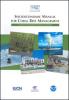
Coral reef management has focused traditionally on the biophysical aspects of coral reefs, but today reefs are coming under increasing pressures from human activities. Understanding the socioeconomic context of reef stakeholders is essential for assessing, predicting and managing reef use. This manual will assist coral reef managers around the world in making basic socioeconomic assessments in their communities.
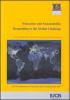
A publication from IUCNs Commission on Education and Communication (CEC), this book tells the stories of people who work with communities to motivate them to create a more sustainable future. The accounts range from engaging communities through theatre to a revival of indigenous stories to pass on good environmental practice. The publication was produced both to share what educators around the world have learnt and to give them a platform to tell their stories.

Fourth in the series, this profile explores the diverse and changing nature of Community Involvement in Forest Management (CIFM) in Western Europe. It provides some comparative European-level data on important social institutions which shape patterns of community involvement in forestry, and it briefly examines different national contexts.
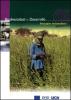
A companion document to the Strategic Approach document, this guide reviews the lessons learned from the various agency initiatives to integrate biodiversity issues into development cooperation programmes. The lessons learned have been condensed into a set of Guiding Principles which aim to ensure that development cooperation projects and programmes are effective and sustainable, and take full account of environmental security and biodiversity issues.