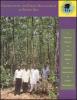
The exchange visit was designed to enable directors of various government departments from SADC states to examine the Mahenye community's CAMPFIRE project in the southeast lowveld in Zimbabwe, as a working model of CBNRM principles. Specifically, the objective was to contribute to the development of an enbaling environment that will facilitate CBNRM being accepted as a key element in economic development strategies.
A series of articles looks into the problems and controversies concerning tourism and nature. On the one hand tourism is dependent upon nature, on the other hand, however, it often destroys the natural and socio-cultural environment. In the first section representatives from relevant sectors involved with tourism and nature (tourists, environmentalists, governments and the tourism sector) express their views on the possibilities of sustainable tourism.
These guidelines explore financing options for protected areas and provide advice and information on sustainable financing. Both public and private financing is needed to ensure provision of the private and public goods and services which protected areas provide. A step-by-step process is given which protected area managers can use to create business and financial plans tailored to the needs and strengths of their protected area.
Second in the series, this Regional Profile focuses on five South Asian countries including Bangladesh, India, Nepal, Pakistan and Sri Lanka. This Profile seeks to explain why and how some of the earths poorest people have been able to establish effective management systems over millions of hectares of nationalized forestlands, facilitating their rapid regeneration.
Arbritary national boundaries do not define the extent of landscapes and ecosystems worthy of protection. They do, however, influence the quality of nature conservation as this is affected by differences in national legislation on different sides of the border. This study analyses the status of protected areas across various European State boundaries, lists successes and shortcomings, and gives valuable advise as to how co-operation between protected areas can be improved and enhanced
Rock climbing is a continent-wide phenomenon. Any ban on climbing in one country invevitably leads to increased pressure on sites in other countries. Thus, regional if not continent-wide approaches are essential to identify sites where restrictions on climbing may be necessary, and to justify, negotiate, and publicise these restrictions (which are often temporary or seasonal). This report examines the history of climbing and its social and economic significance.