Statut vert des espèces de l’UICN
Le déclin de nombreuses espèces en voie d’extinction a largement orienté les efforts de conservation de manière à ce que ces espèces continuent d’exister.
El declive de muchas especies hacia la extinción ha motivado que los esfuerzos de conservación se centren en asegurar que las especies sigan existiendo. Sin embargo, los conservacionistas reconocen desde hace tiempo la necesidad de complementar esto con el objetivo de recuperar las poblaciones mermadas en toda el área de distribución de una especie y restaurar las especies en los ecosistemas de los que han sido extirpadas.
The decline of many species towards extinction has largely focused conservation efforts on ensuring that species remain extant. However, conservationists have long recognised the need to complement this by aiming to recover depleted populations throughout a species’ range and to restore species to ecosystems from which they have been extirpated.
The Endangered Turks and Caicos rock iguana, Cyclura carinata, is found only on the islands and cays of Turks and Caicos Islands (TCI), and on Booby Cay in The Bahamas, northwest of Providenciales. These iguanas now occupy less than 10 percent of their historic range largely due to the impact of invasive mammalian predators.
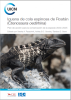
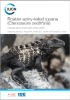
La iguana de cola espinosa En Peligro de Roatán (Ctenosaura oedirhina) se encuentra solo en las islas de Roatán, Barbareta y los cayos circundantes. Aunque se pueden encontrar poblaciones densas en algunos lugares privados protegidos, las amenazas persisten y aun se necesitan esfuerzos de gestión.
The Endangered Roatán spiny-tailed iguana (Ctenosaura oedirhina) is found only on the islands of Roatán, Barbareta, and some surrounding cays. Although dense populations can be found in some privately protected locations, threats persist and management efforts are needed. The Roatán spiny-tailed iguana was first described in 1987 and since then informal and detailed studies have been conducted to better understand its biology and status.
Is it time to embrace the so-called “Anthropocene”—the age of human dominion—and to abandon tried-and-true conservation tools such as parks and wilderness areas? Is the future of Earth to be fully domesticated?