
Situación general de la conservación de la biodiversidad en la region Amazonica : evaluación de las areas protegidas propuestas y estrategias
1993
Castaño U., Carlos |
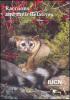
Booklet in a series intended to give the general reader facts and information about fur-bearing mammals from a more conservation-oriented perspective than information generally available from other sources. It is based on the relevant SSC Action Plan and is well-illustrated, with colour photographs and a centre-spread of sketches showing the animals in action as well as containing a wealth of interesting information about each species' biology, feeding habits, breeding, and behaviour.
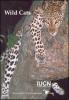
Booklet of a series intended to give the general reader facts and information about fur-bearing mammals from a more conservation-oriented perspective than information generally available from other sources. It is based on the relevant SSC Action Plan and is well-illustrated with colour photographs and a centre-spread of sketches showing the animals in action, as well as containing a wealth of interesting information about each species' biology, feeding habits, breeding, and behaviour.
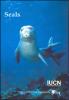
One of a series of six booklets intended to give the general reader facts and information about fur-bearing mammals from a more conservation-oriented perspective than information generally available from other sources.
Overview of the findings of regional TRAFFIC studies in Europe, India, East and Southern Africa, Southeast Asia, East Asia, Oceania and North and South America. It highlights the fisheries, shark products in trade, and the processing, preparation and use of these products in domestic and international markets. It also discusses the management and conservation implications.

The findings from investigations of sturgeon fisheries, and information from caviar importers in consuming countries, sturgeon specialists and fisheries agencies are presented. The exploitation of Caspian sturgeons is assessed, as is Caspian caviar production, its regulation or lack thereof, and its impact upon the number of sturgeons remaining. International trade is aslo analysed.
The "1994 Red List of Threatened Animals" was a major advance on its predecessors in clarity of layout and amount of information presented. This is taken further in the 1996 edition, which is also the first global compilation to use the complete new IUCN red list category system. Also for the first time, all mammal species have been assessed. This group and the birds are the only taxonomic classes where a comprehensive evaluation has been made.