West Indian iguana specialist group newsletter
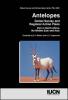
The fourth part in a series of action plan, this publication covers less than one-quarter of the world's antelope species that are found in North Africa, the Middle East and Asia. Herds numbering in the tens of thousands formerly occurred across the steppes and semi-deserts of Eurasia and India, but these have nearly all been reduced to fractions of their earlier size. Populations are fragmented across the region and several species have disappeared altogether during recent decades.
This checklist provides alphabetical lists of the species of fauna and flora included in Appendices I, II and III of CITES in order to help management and scientific authorities, customs officials, and all others involved in implementing and enforcing the Convention. This list provides not only the scientific names but also the common names in English, Spanish and French.
An invaluable reference book, showing the dates of inclusion, transfer and deletion of all taxa that are or have been included in the CITES appendices, together with dates of the making and withdrawal of reservations by the Parties.
The CITES handbook has been compiled to provide for the Parties to CITES and others who are interested the most essential texts fo the implementation of the Convention in one single reference book. It comprises the text of the Convention, Appendices I and II, Appendix III, the standard CITES export/import permit - re-export certificate, the Resolutions and the Decisions of the Conference of the Parties to CITES in effect after the 11th meeting (Gigiri, 2000)
A regional workshop was held to develop a shared understanding of the IUCN global Red List criteria, threat categories and the process of listing species according to the threat of extinction with an emphasis on lessons learned, key constraints and priority needs. The report presents country status reports from Cambodia, India, Indonesia, Lao PDR, Malaysia, Nepal, Pakistan, Philippines, Sri Lanka, Thailand and Vietnam, plus conclusions and recommendations.
A comprehensive account of the wildlife trade in Laos, this book is the result of two years' work by the authors, with assistance from two local field researchers and input from a wide range of Lao and foreigners (including Vietnamese, Chinese and Thai informants) with first-hand knowledge of the situation.
Bats make up a quarter of all mammals, and almost half of the species can be considered threatened or near threatened at a global level. This publication offers the results of the first comprehensive review to identify the conservation priorities for the 834 species of Microchiroptera.