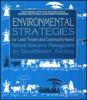
An increasing number of land reform projects are taking place in conservation areas. Many of these are concerned with the restitution of land rights to people dispossessed of their land, and others are more generally concerned with effecting tenure reform and redistributing land to the disadvantaged and the poor.
The project "Enhancing land reform strategies for sustainable livelihoods in southern Africa" has two main components: a land reform review and a questionnaire survey in a selected district. It was implemented in Zimbabwe, Zambia, Mozambique, Botswana and South Africa.
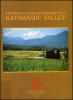
Urban centres in Nepal will continue to grow as the trend to migrate to urban centres from neighbouring rural areas in search for better economic opportunities continues. This trend will have a significant impact on the existing infrastructure facilities and services of the urban centres. Haphazard growth and inadequate services have not only degraded the environmental quality of the urban centres but have made some urban areas uninhabitable.
Over past decades, two global environmental issues "biodiversity loss and climate change" have often moved in wholly unconnected domains, with no link being made between the fate of unknown species in the Amazon rainforest and emissions of carbon dioxide from power plants in industrialized countries. However, results now show that climate change is a major threat to efforts to conserve biodiversity.
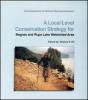
The Begnas and Rupa lake watershed area, situated in the mid-hills of Nepal, is exceptionally rich in flora and fauna, and has significant tourist value. The ecology is critically threatened by increasing human intervention. This document responds to the current needs for the preservation of this watershed area, and includes 19 major conservation Action Plans.