Inland waters – such as rivers, lakes and other wetlands – are among the most biodiverse ecosystems on the planet. They are also the most threatened; almost one in three species is at risk of extinction and monitored populations of freshwater species have declined by 85% since 1970. The loss of these ecosystems has cascading effects on human livelihoods, cultures and our overall well-being.
Peatlands provide many important ecosystem services, including water regulation, biodiversity conservation and carbon sequestration and storage. This report informs on management and finance options to achieve emissions reductions and enhance other vital ecosystem services from peatlands.
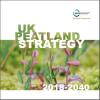
Beautiful and dramatic, UK peatlands are evocative landscapes home to rare and endangered wildlife, as well as rich in cultural history. The UK’s first collaborative Peatland Strategy has been developed by the IUCN UK Peatland Programme to capture and embed, for the long term, a shared vision for our peatlands, helping maintain a focus across a broad partnership and allowing progress to be marked and celebrated. The UK Peatland Strategy encompasses all peatlands in the United Kingdo
Peatlands International is the member magazine of IPS. It consists of about 30-60 pages with background reports on peat and peatlands, reviews of conferences and books. It also publishes research findings, business reports and internal information on the IPS.
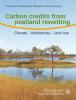
Belarus ranks 8th among the world's countries in terms of peatland CO2 emissions and occupies 3rd place in CO2-emissions per unit land area. In recent years, tens of thousands of hectares of drained peatlands in Belarus have been rewetted. This volume provides a synthesis of the challenges encountered and solutions adopted in a pilot project conducted in Belarus between 2008 and 2011.
This book serves as a guide for identifying Sphagnum mosses in both field and laboratory. Forty species, typical of more continental parts of Europe, but also commonly found elsewhere in the northern hemisphere, are presented. The primary emphasis is on the illustrations, mainly photographs, depicting both macroscoptic and microscopic characteristics of the species.
This comprehensive presentation discusses peat and mire properties relative to forestry practiced both on pristine mires and drained peatlands. The emphasis is on Nordic conditions. Where relevant, the approaches applied in other parts of the boreal and temperate zones are also discussed. The book is plentifully illustrated. Subject index and almost one thousand references enable its use both as educational text book and reference work. (From University of Helsinki website)