Stratégie régionale pour les aires marines protégées d'Afrique de l'Ouest
2003
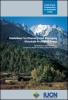
Mountains are special places. For many they are sacred; to most they bring an uplifting of the spirit and refreshment; to all they bring water, and rich biodiversity. Many of them have received legislative recognition by designation as parks or reserves of various kinds, and it is for the planners and managers of this estate that this book has been written.
Australia's rich and distinct biodiversity is under multiple threats including loss of habitat to human settlement, agriculture and grazing, introduction and spread of alien invasives, pollution, altered fire regimes and landclearing. The landclearing rate of c. 500,000 hectares p.a. is comparable to the worst African, South American and Asian de-forestation rates, much occurring on private lands.
IUCN, WWF and the US National Oceanic and Atmospheric Administration (NOAA) have developed this guidebook to assist marine protected area (MPA) managers in assessing the performance of their MPA. Based on this assessment, it shows how necessary changes can be made to improve management measures.
The link between protected areas and tourism is as old as the history of protected areas. Though the relationship is complex and sometimes adversarial, tourism is always a critical component to consider in the establishment and management of protected areas. These guidelines aim to build an understanding of protected area tourism, and its management. They provide both a theoretical structure and practical guidelines for managers.