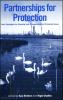
How can we successfully conserve what remains of the world's rapidly diminishing natural and semi-natural areas? Although more and more land and water surface is protected many vital ecosystems are under-represented, and traditional conservation methods are often ineffective. New approaches are urgently needed. This book sets out ways to safeguard all the major ecosystems and explores innovative management partnerships involving individuals, communities, companies and governments.
This landmark publication builds on previous work between IUCN/WCPA and the European Commission and addresses the key protected area policy issues and needs of the ACP (Africa, Caribbean and Pacific) countries. It describes the actions that are required if protected areas are to be successful in the next century.
This workshop brought together representatives of all stakeholder groups from Namibia and Botswana to discuss key natural resource utilisation issues. IUCN sought to begin a crucial cross-border dialogue to address incompatible land and resource uses in the area. This is the first stage in addressing transboundary natural resource management in the area, and clearly focuses on both the ecosystem and the participation of all stakeholders.
Visitors to parks and protected areas impact at many levels: political, economic, social and ecological. To ensure effective park management for increasing visitor numbers, good quality global data on visitor use is necessary. This manual describes terms, approaches and techniques for gathering information about public use of parks and protected areas.
The South Asia Regional Action Plan was prepared through a collective effort by all countries in the region, and represents an agreed view of regional priorities, addressing such topics as training, transboundary protected areas and community involvements in protected areas management. The plan begins with an overview of protected areas in the region, including numbers, coverage, policies and legislation, administration and threats.