
Country brief: South Africa
2025
Este documento es resultado del trabajo conjunto entre la Comisión de Gestión de Ecosistemas (CGE) y la Oficina Regional para México, América Central y el Caribe (ORMACC), dos de los pilares de la UICN. La CGE y ORMACC han colaborado en distintos temas en la región, en la implementación de proyectos, en procesos de capacitación y fortalecimiento institucional, con aportes científicos, entre otros.
This case study presents the self-assessment process for the Resilient Highlands Project, guided by the IUCN Global Standard for Nature-based Solutions (NbS). The assessment focused on the project’s theory of change, which includes water and soil management and conservation practices for the long-term sustainability of the hydrological cycle in the Guatemalan Highlands.
Uganda is a biodiversity-rich country home to iconic species including over half of the world’s mountain gorillas. Spanning around 241,000 km², it has a robust network of protected areas including 10 national parks, 12 wildlife reserves, and five community wildlife areas covering over 10% of its land.

Le Niger compte un patrimoine naturel exceptionnel et divers. Il abrite plusieurs espèces sahariennes menacées emblématiques comme l’addax (Addax nasomaculatus), la girafe du Niger (Giraffa camelopardalis peralta), la gazelle dorcas (Gazella dorcas), le mouflon à manchettes (Ammotragus lervia) et la gazelle dama (Nanger dama). Ces espèces jouent des rôles écologiques cruciaux et sont des symboles vitaux de la biodiversité du pays.

Niger boasts a diverse and unique natural heritage, home to several iconic and threatened Saharan species such as the Addax antelope (Addax nasomaculatus), West African giraffe (Giraffa camelopardalis peralta), Dorcas gazelle (Gazella dorcas), Barbary sheep (Ammotragus lervia), and Dama gazelle (Nanger dama). These species play crucial ecological roles and are vital symbols of the country’s biodiversity.
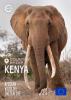
Kenya, a cornerstone of Africa’s biodiversity, is world-renowned for its rich tapestry of ecosystems from vibrant coastal mangroves and savannahs to arid rangelands and montane forests. Spanning over 580,000 km², Kenya boasts an extensive network of protected areas, including 23 national parks, 28 national reserves, and a growing number of conservancies, now covering more than 6.5 million hectares.

La République démocratique du Congo (RDC) est l’un des pays présentant la biodiversité la plus riche au monde. Il abrite plus de 10 000 espèces de plantes et une faune emblématique comme le gorille de montagne, le bonobo, l’okapi et l’éléphant des forêts. Ses écosystèmes comprennent les vastes savanes, zones humides, forêts montagneuses et forêts tropicales du bassin du Congo, qui, pour beaucoup, sont d’importance mondiale.

The Democratic Republic of the Congo (DRC) is one of the world’s most biodiverse countries, home to over 10,000 plant species and iconic wildlife like mountain gorillas, bonobos, okapis, and forest elephants. Its ecosystems include the vast Congo Basin rainforest, savannas, wetlands, and montane forests, many of which are globally significant. However, this biodiversity faces significant conservation challenges, exacerbated by socioeconomic instability.

Le Cameroun abrite une biodiversité riche qui s’étend sur ses savanes, ses forêts et ses écosystèmes d’eau douce. Celle-ci soutient plus de 9 000 espèces de plantes, 900 espèces d’oiseaux et près de 300 espèces de mammifères, notamment des animaux en danger emblématiques comme l’éléphant des forêts, le gorille de plaine de l’Ouest, le chimpanzé, le lion et le lamantin.