Cumulative environmental impacts in Antarctica : minimisation and management. Proceedings of the IUCN workshop on cumulative impacts in Antarctica
1997
As excellent examples of oceanic island ecosystems, many unmodified by human influences, these islands are of great conservation significance but adequate protection varies. The papers in this volume examine the progress made by various national authorities since the first workshop in 1986 and set out a new call for action in 35 recommendations.
Examines the educational and training needs arising from relevant legal instruments; covers education and training currently undertaken by national programmes; and, by considering the range of tools available, identifies initiatives for improving the environmental education of scientists, support staff and tourists to the Antarctic.

Results of a key workshop covering the Antarctic protected area system, design and management planning, tourism and protection of historic features, international legal and policy issues, and information and communication. Many of the 22 recommendations were incorporated into the final report of the XVII Antarctic Treaty Consultative Meeting.
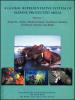
This report provides a basis for development and implementation of a global system of marine protected areas to protect and manage representative examples of the world's rich marine biodiversity. It identifies priorities for establishing new marine protected areas and improving management of existing ones in each of the world's 18 major regions.
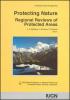
This volume describes the major issues facing protected areas, both terrestrial and marine, and discusses the approaches needed to address these issues. An additional section, drawing upon the expertise of CNPPA's vice-chair, marine, and members of 14 task forces, specifically addresses protected area issues in the coastal marine environment.

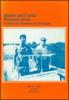
This book is intended as a guide for the increasing number of people who find themselves with mandates to plan either national systems of marine and coastal protected areas or individual sites.