A regional synthesis of results and lessons from Mangroves for the Future Small Grant Projects : 2009-11
2012
Es importante integrar las consideraciones relativas a la biodiversidad en la localización y el diseño de hoteles y complejos turísticos para mantener a largo plazo no sólo la viabilidad y conservación de los ecosistemas sino también el éxito financiero de dichos hoteles y complejos.
Intégrer les questions de biodiversité dans les décisions relatives à l'implantation et à la conception d'hôtels et de complexes hôteliers est important non tant pour la conservation et le maintien de la viabilité des écosystèmes, que pour la réussite financière à long terme des hôtels et des complexes hôteliers.
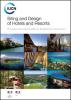
Integrating biodiversity considerations into siting and design decisions for hotel and resort developments is important not only for the continued viability and conservation of the ecosystems, but also for the long-term financial success of the hotels and resorts.
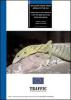
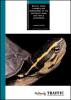
TRAFFIC Southeast Asia identified the Southeast Asian Box Turtle as a heavily traded species to be used as a case study for science-based management, which could serve as a model for other CITES Appendix II species in trade. This study aims to assess the legislation in place to regulate trade in freshwater turtles and tortoises and to identify past and current harvest and trade levels.
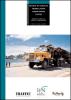
Reports from non-governmental organizations have raised concerns about the scale of illegal trade in merbau, a timber from nine species in the genus Intsia and there is concern over the sustainability of harvests from natural merbau populations.
South-east Asia is both a centre for the consumption of wildlife products, and also a key supplier of wildlife products to the world. Cambodia, Indonesia, Lao PDR and Vietnam are among the south-east Asian countries that act as major sources of wildlife in trade, the trade involving a wide variety of native species, which, in many cases, are declining as a result of unsustainable, and often illegal, harvest.
This study reviews the financial costs of abating greenhouse gas emissions through Reducing Emissions from Deforestation and forest Degradation (REDD). It is written from the perspective of an institutional investor seeking cost-effective climate mitigation options. A review of empirical data from Brazil and Indonesia suggests that REDD may, in many areas, provide a cost-effective climate mitigation option, with estimated costs lying in a range of US$ 2-10 per ton of CO2e.