Regional workshop on community involvement in forest management in eastern and southern Africa
2001
The way in which forest land is owned directly influences the status of the forest, its condition and the way in which it is managed. The greater the security of local forest tenure, the stronger the interest and will of the community towards its security.
The document presents the results of a survey and proposes a generic programme of action for wetlands conservation which could be adapted for implementation in SADC member states. It gives an overview of wetland types in southern Africa, highlighting key characteristics and important attributes.
The African elephant is the largest living land mammal. It once inhabited most of the continent, from the Mediterranean coast down to its south tip. This picture of elephant range today is one of scattered, fragmented populations south of the Sahara Desert. Estimates suggested that elephant populations had more than halved in several areas between 1981-87.
Based on a workshop held to analyse the viability of extraction of NTFPs in Africa and improve knowledge and understanding of the role and potential of NTFPs in forest conservation. Also includes country overview of NTFPs use from fifteen countries.

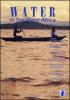
The bodiversity of southern Africa depends on water as does the regional economy. Water flows through every economic sector: agriculture, energy, industry, mining, tourism, and fisheries. However, this vital resource is under threat from environmental degradation due to population growth, poverty, climate change and pollution.