Union internationale pour la conservation de la nature : Centre de Coopération pour la Méditerranée rapport annuel 2020

2021
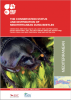
The Mediterranean Red List assessment is a review of the regional conservation status of approximately 6,000 species (amphibians, mammals, reptiles, birds, fishes, butterflies, dragonflies, beetles, corals and plants) according to the IUCN Red List Categories and Criteria. It identifies those species that are threatened with extinction at the regional level to guide appropriate conservation actions for improving their status.

This document explores the gender dimensions of cultural practices in the Dehesa region of Spain. Specifically, the report examines the roles, responsibilities, constraints, and opportunities for women pastoralists and women involved in the wool industry.

This report explores the status of six crops in Lebanon’s Shouf Biosphere Reserve and further provides opportunities and recommendations to grow the value chains of these crops.

This document highlights the commercial prospects of several food products in the Greek island of Lemnos. The document further highlights challenges and opportunities related to the market for these products. The executive summary is in English, while the longer document is in Greek.

This report explores the role of gender in the division of labour and cultural practices in Lebanon’s Shouf region. The document includes a review of women’s economic and household contributions, obstacles women face in accessing economic opportunities, and recommendations for strengthening women’s roles in the local economy.

This document provides a review of existing literature around women’s roles in local economies, cultural preservation and environmental conservation in the Mediterranean Basin. The paper further identifies data gaps and economic opportunities to support cultural practices in the region’s cultural landscapes.

This manual is based on, and represents an expanded and updated edition of the first MEET manual. The purpose of this manual is to provide protected area managing bodies and the local ecotourism sector with a clear pathway to plan and enhance engaged conservation-focused ecotourism in their areas.