This resource material is designed as a generic guide for planning, implementing and reporting an integrated vulnerability assessment (IVA) that targets atoll communities in the Pacific Islands region. It is based on a sustainable livelihoods-based approach that combines the assessment of vulnerability to both climate change and disasters.
Increasing interest in measuring, modelling and valuing ecosystem services (ES), the benefits that ecosystems provide to people, has resulted in the development of an array of ES assessment tools in recent years. Selecting an appropriate tool for measuring and modelling ES can be challenging.
Los sitios naturales de Patrimonio Mundial se reconocen internacionalmente por representar la principal prioridad mundial para la conservación de la naturaleza. Incluyen lugares como el Serengeti, la Gran Barrera de Coral y las Islas
Les sites naturels du patrimoine mondial sont internationalement reconnus comme étant en tête des priorités pour la préservation de la planète et incluent des lieux emblématiques tels que le Serengeti, la Grande Barrière et les îles Galápagos.
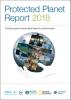
Natural World Heritage sites are internationally recognised as having the highest global nature conservation priority. As of November 2017, there are 241 natural and mixed (both cultural and natural) World Heritage sites, representing about 0.1% of the total number of protected areas globally, but yet with a total coverage of 294 million hectares, accounting for 8% of the combined surface of terrestrial and 6% of marine protected areas.
This book records the results of a four-year study of the effects of air pollutants, ineffective silviculture practices and other factors such as restrictive legislation and neglect of forests in 24 European countries.
In recent years, awareness has risen surrounding the crucial role of plants in providing ecosystem services and on their decline – they are one of the essential foundations of healthy ecosystems that we depend on. However, significant gaps in knowledge still remain. In this context, the European Red List of lycopods and ferns provides the first ever comprehensive assessment of the extinction risk of all native lycopod and fern species to Europe.