
Dixième anniversaire 1948-1958 : de Fontainebleau à Athènes et Delphes
1958
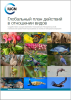
The Global Species Action Plan (GSAP) is a critical initiative developed to support the implementation of the Kunming-Montreal Global Biodiversity Framework (GBF), to address the increasing biodiversity loss worldwide. The GSAP outlines strategic interventions and actions to conserve and sustainably manage species while ensuring equitable benefits.
With 26 case studies from 10 multinational companies, this publication highlights their positive actions, interventions and initiatives contributing to specific conservation and restoration goals.
Nature (covering the water, biodiversity, soil/land, and air/climate realms) continues to decline with significant negative impacts on society. Businesses need to understand their impacts and dependencies on nature, manage their nature-related risks and embed the value of nature into their decision making to identify and implement opportunities that contribute towards the nature-positive global goal.
Nature (covering the water, biodiversity, soil/land, and air/climate realms) continues to decline with significant negative impacts on society. Businesses need to understand their impacts and dependencies on nature, manage their nature-related risks and embed the value of nature into their decision making to identify and implement opportunities that contribute towards the nature-positive global goal.
La nature (l’eau, la biodiversité, les sols et l’air/le climat) continue de décliner, ce qui a des impacts négatifs considérables sur la société. Les entreprises doivent comprendre leurs impacts sur la nature et leurs dépendances envers elle, gérer leurs risques naturels et intégrer la valeur de la nature dans leur processus décisionnel pour repérer et mettre en oeuvre les occasions contribuant à la réalisation de l’objectif mondial positif pour la nature.
La naturaleza (en los ámbitos del agua, la biodiversidad, la tierra/suelo y el aire/clima) sigue disminuyendo, con importantes repercusiones negativas para la sociedad. Las empresas deben comprender su impacto y su dependencia respecto a la naturaleza, gestionar los riesgos relacionados con ella e integrar el valor de la naturaleza en su toma de decisiones para identificar y aplicar oportunidades que contribuyan al objetivo global de una naturaleza positiva.
Engaging in oil activities poses a significant risk of impacting the environmental and social values in a landscape. The aim of the remediation effort is to restore the site’s environmental and socio-economic values. In natural habitats, this is about the recovery of biodiversity and the ecosystem functioning. This field manual aims to guide the design and implementation of biodiversity monitoring (recovery), following remediation of an oil spill.

The Niger Delta region of Nigeria is facing severe environmental challenges due to widespread oil extraction activities, resulting in recurring oil spills and adverse effects on biodiversity, ecosystem services and livelihoods. This report documents the implementation of protocols of the IUCN Niger Delta Biodiversity Technical Advisory Group (BTAG) on two impacted sites at Adibawa Well 8 S/L wellhead in Joinkrama, Rivers State, and Adibawa North-East 1 wellh
El Plan de Acción Mundial para las Especies (PAME) ha sido desarrollado para apoyar la implementación del Marco Mundial de Kunming-Montreal para la Biodiversidad (MMB) al definir las intervenciones estratégicas clave y las acciones necesarias para lograr resultados exitosos en materia de conservación y uso sostenible de las especies alineados con la Misión, los Objetivos y las Metas del MMB.