
Conservaçao dos parentes silvestres das plantas cultivadas

1992
Hoyt, Erich |
Brown, Susanah |

Por meio deste Manual objetiva-se oferecer aos Estados-partes e a todos os envolvidos com a manutenção de bens do Patrimônio Mundial orientações para o cumprimento dos requisitos da Convenção. Procura-se, ainda, ajudar os Estados-partes a garantir que o patrimônio tenha um papel dinâmico na sociedade e que esta possa aproveitar, mas também transmitir, os benefícios mútuos advindos dessa condição. Este Manual aborda apenas a gestão de sítios de patrimônio cultural.

El manual ofrece orientaciones a los Estados Partes y a todos los que intervienen en el cuidado de los bienes del Patrimonio Mundial cultural sobre la manera de cumplir las prescripciones de la Convención.

Poradnik zawiera wytyczne skierowane do Państw-Stron oraz wszystkich innych stron zaangażowanych w dbanie o dobra światowego dziedzictwa kulturowego. Wytyczne te mają pomóc w realizacji wymogów Konwencji. Poradnik ma również pomóc Państwom-Stronom w zagwarantowaniu dynamicznej roli dziedzictwa w społeczeństwie oraz możliwości wykorzystania, a także zaoferowania innym wzajemnych korzyści, jakie mogą się wiązać z taką rolą. Dotyczy on wyłącznie zarządzania miejscami dziedzictwa kulturowego.

Le manuel offre aux États parties, et à toutes les personnes impliquées dans la gestion des biens culturels du patrimoine mondial, des orientations sur la manière de satisfaire aux exigences dictées par la Convention. Il vise également à aider les États parties à garantir que leur patrimoine joue un rôle dynamique au sein de la société, et tire parti, mais également apporte aux autres, des bénéfices mutuels qu’un rôle de ce type peut engendrer.

The manual provides guidance for States Parties and all those involved in the care of World Heritage cultural properties on how to comply with the requirements of the Convention. It also aims to help States Parties to ensure that heritage has a dynamic role in society and harnesses, but also delivers to others, the mutual benefits that such a role can create. This Manual deals only with the management of cultural heritage sites.

The manual provides guidance for States Parties and all those involved in the care of World Heritage cultural properties on how to comply with the requirements of the Convention. It also aims to help States Parties to ensure that heritage has a dynamic role in society and harnesses, but also delivers to others, the mutual benefits that such a role can create. This Manual deals only with the management of cultural heritage sites.

In this report, Environmental Defense Fund and Forest Trends map the landscape of the available sources of funding for climate action in forests, with a focus on REDD+, through 2017. To provide a comprehensive overview of the different sources of REDD+ finance, the report first defines the three phases of REDD+, and then provides a summary of the various finance sources, types, and mechanisms.
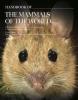
Volume 7 of the Handbook of Mammals of the World (HMW) covers 9 families of Rodents.
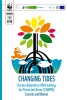
Climate change poses serious threats to many coastal and marine systems, including those being managed as protected areas. The following manual describes an approach – Climate Adaptation Methodology for Protected Areas (CAMPA): Coastal and Marine – for developing climate adaptation measures in the management of coastal and marine protected areas.