Biodiversity within inland water ecosystems in Eastern Africa is highly diverse and of great importance to livelihoods and economies, however, development activities are not always compatible with the conservation of this diversity and it is poorly represented in the development planning process. One of the main reasons is the lack of readily available information on the status and distribution of inland water taxa.
The views of border fishing communities and their leaders on the challenges and opportunities for improved fisheries management at the international border areas on Lake Victoria are documented. The report is based on discussions with fishing communities and district leaders in the Kenya-Uganda, Kenya-Tanzania and Tanzania-Uganda border areas, carried out from 22 to 29 April and 5 to 12 June 2002.
IGAD and IUCN-EARO collaborated to develop a Community Based Natural Resource Management (CBNRM) project for the IGAD region. As a result six detailed country studies were undertaken for Djibouti, Eritrea, Ethiopia, Kenya, Sudan and Uganda, and a regional analysis. Country and regional workshops were convened to deliberate and agree on the major issues and activities.
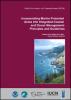
The Ecosystem Approach puts people and their natural resource use practices squarely at the centre of decision-making. Because of this, the Ecosystem Approach can be used to seek a balance between the conservation and use of biological diversity. This publication provides practical guidance on how to use the Ecosystem Approach in planning field activities.
The IUCN system for classifying protected areas distinguishes six management categories (I-VI). This publication aims to further clarify how they can be interpreted within Europe, in order to help protected areas managers and others concerned with protected areas to apply the IUCN system more consistently to ensure reliable categorisation and data gathering