
Okhranyaemye prirodnye territorii v novykh nezavicimykh gosudarstvakh kak osnova formirovaniya ehkologicheskoy seti severnoy Evrazii

2002

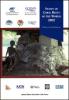
27% of the world's coral reefs have been lost and 14% are predicted to be destroyed in the next 10 to 20 years. These are the predictions of the world's most authoritative document on the health of reef systems. Released by the Global Coral Reef Monitoring Network (GCRMN), a consortium of major reef monitoring groups in the world, in partnership with IUCN - The World Conservation Union and others, the new report reveals an erratic pattern of damage and recovery worldwide.

The 1992 United Nations Conference on Environment and Development placed a responsibility on States to protect the local, regional and global environment, especially problems shared by the whole community such as soil degradation.

Brinda un panorama sobre los humedales de importancia internacional de Centroamérica y ha tratado de analizar el cumplimiento de parte de las instituciones encargadas de su gestión, de las directrices que dicta la Convención de humedales respecto a los planes de manejo de estos diversos sitios.
Ofrece información de relevancia sobre algunos de los principales instrumentos jurídicos internacionales que se relacionan con los humedales y con el medio marino en Mesoamérica. Así mismo proporciona una herramienta de fácil utilización para el entendimiento de las Convenciones y sus protocolos.
Los objetivos de este taller, que llevó a cabo en Cuidad Guatemala del 5 al 8 julio de 1999, fueron los siguentes: 1, intercambiar lecciones aprendidas en los diversos enfoques de conservación y manejo de humedales y zonas costeras en los proyectos ejecutados en América Central; 2, establecer prioridades regionales y nacionales de conservación y manejo de humedales y zonas costeras; 3, difundir los logros alcanzados por PROARCA/Costas y el Programa de Humedales de UICN/ORMA.
Presenta una síntesis, con lenguaje sencillo y accesible a todo tipo de público, de cada uno de los proyectos ejecutados por el Area temática de humedales y zonas costeras para Mesoamérica de la Oficina regional para Mesoamérica de UICN.

Este documento es la primera edición del inventario nacional de los humedales de Guatemala y constituye el inicio de un proceso dinámico en el conocimiento de los humedales guatemaltecos, su localización, tamaño, principales características y funciones. Esta información permite clasificarlos, darles valores de importancia y priorizar aquellos que requieran mayores esfuerzos de conservación y manejo.
