
Ptaki lak i mokradel Polski : stan populacji, zagrozenia i perspektywy ochrony

1998
Krogulec, Jaroslaw |
Tederko, Zenon |

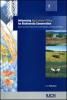
This report assesses the influence of agricultural policy and regional development on the biodiversity of three selected countries: Poland, the Czech Republic and Lithuania, and proposes directions for change. It aims at influencing policy-making in selected issues related to the agriculture sector to better conserve biodiversity in agricultural landscapes in Europe.

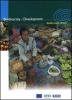
This set of 20 4-page briefs aims to raise awareness about biodiversity issues within EC development cooperation. The briefs are broken down into three types, including policy, sector and background biodiversity briefs. The first two indicate important issues to be considered by policy makers and technical advisers at policy, programme and project levels, and the third category summarizes topics and legal responsibilities for a general audience.

An increasing number of land reform projects are taking place in conservation areas. Many of these are concerned with the restitution of land rights to people dispossessed of their land, and others are more generally concerned with effecting tenure reform and redistributing land to the disadvantaged and the poor.