One of the innovative features of the first World Conservation Congress was the organisation of some 57 workshops divided into ten major streams. These ranged from topics as diverse as sustainability in artisanal fisheries to managing mountain protected areas to business and the environment. This publication presents a summary of all the workshops, the main speakers and the papers they presented.
The challenge of building biodiversity business is not trivial. Biodiversity is still largely neglected by private finance. There is a need to develop new business models and market mechanisms for biodiversity conservation, and to persuade the public and policy makers that biodiversity (or component ecosystem services) can be conserved on a commercial basis.
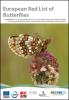
The European Red List is a review of the conservation status of c.6,000 European species (mammals, reptiles, amphibians, freshwater fishes, butterflies, dragonflies, and selected groups of beetles, molluscs, and vascular plants) according to IUCN regional Red Listing guidelines. It identifies those species that are threatened with extinction at the regional level in order that appropriate conservation action can be taken to improve their status.
Communication, Education and Public Awareness (CEPA) are important instruments for conservation and sustainable use of biodiversity. CEPA provides the link from science and ecology to peoples social and economic reality. It supplies the oil for the implementation of the Convention on Biological Diversity and deals with the processes that motivate and mobilize individual and collective action.
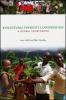
The field of biocultural diversity is emerging as a dynamic, integrative approach to understanding the links between nature and culture and the interrelationships between humans and the environment at scales from the global to the local. This book is a unique compendium and analysis of projects from all around the world that take an integrated biocultural approach to sustaining cultures and biodiversity.
Wetland ecosystems and the amazing diversity of plants and animals that inhabit them are thought to be more threatened than any other ecosystem. The Okavango Delta, as the world's largest inland delta, is no exception. This book is both a celebration of the diversity of aquatic life in the Okavango Delta, and is an inspiration to decision makers throughout the region to work together to ensure the survival of one of the world's most beautiful and valuable wetlands.