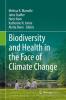
This open access book identifies and discusses biodiversity’s contribution to physical, mental and spiritual health and wellbeing. Furthermore, the book identifies the implications of this relationship for nature conservation, public health, landscape architecture and urban planning – and considers the opportunities of nature-based solutions for climate change adaptation.
The Weight of Cities calls for a new strategy for 21st century urbanization: resource efficiency and social inclusion must become the focus of urban development strategies if we want to stand a chance of achieving the 2030 Development Agenda as well as the New Urban Agenda.
The thoughtful integration of built and natural environments in urban areas to advance social and economic goals has become a 21st century imperative. In response, this paper proposes some fundamental principles of ecological urbanism for use by planners, designers, architects and other professionals.
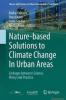
This open access book brings together research findings and experiences from science, policy and practice to highlight and debate the importance of nature-based solutions to climate change adaptation in urban areas. Emphasis is given to the potential of nature-based approaches to create multiple-benefits for society.
The UNESCO World Heritage Convention of 1972 set the contemporary standard for cultural and natural conservation. Today, a place on the World Heritage List is much sought after for tourism promotion, development funding, and national prestige.
Equal parts inspiration and practical advice for urban planners, ocean activists, and policymakers, Blue Urbanism offers a comprehensive look at the challenges and great potential for urban areas to integrate ocean health into their policy and planning goals.