
Water security : the water-food-energy-climate nexus

2011
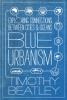
Equal parts inspiration and practical advice for urban planners, ocean activists, and policymakers, Blue Urbanism offers a comprehensive look at the challenges and great potential for urban areas to integrate ocean health into their policy and planning goals.
This book challenges many common assumptions about the urban Third World -- for example that urban citizens live in very large cities and that cities are growing rapidly, or that city dwellers benefit from 'urban bias' in government and aid policies. It is about the lives of the 'squatter citizens' and th eproblems they face in their struggle for survival.
This book brings together leaders in the biological, physical and social dimensions of urban ecosystem research with leading education researchers, administrators and practitioners. Together, they show how an understanding of urban ecosystems is vital not just for urban dwellers but for everyone, applying the fundamentals of ecological and social science to solving some of our most pressing environmental problems.
This report is a product of cities' and local governments' efforts to protect their cities and make them safer and productive places to live and work. Today, with more than half of the worlds population living in urban areas, building resilience to natural hazards has become a pressing challenge that cannot be ignored.
This Handbook for Local Government Leaders provides mayors, governors, councillors and others with a generic framework for risk reduction and points to good practices and tools that are already being applied in different cities for that purpose. It responds to the following key questions: WHY building disaster resilience is beneficial; WHAT kind of strategies and actions are required; and HOW to go about the task.
Jeune capitale surgie des dunes, face à l'océan, Nouakchott est née en même temps que l'Etat indépendant de Mauritanie. Cet ouvrage accompagne l'exposition consacrée à la ville, de sa création en 1958 à nos jours : écrist littéraires et journalistiques, témoignages et articles scientifiques, tous illustrés, retracent la genèse de la capitale, sa croissance depuis sa création et ses perspectives d'évolution.