Investment in sustainable ecosystem management can offer cost-effective solutions to reducing community vulnerability to disasters. Healthy ecosystems are beneficial to local populations for the many benefits and products they provide, whilst acting as natural buffers to hazard events for flood abatement, slope stabilization, coastal protection and avalanche protection.
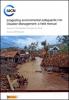
Increasing incidence and intensity of natural disasters and climate change are having over-arching impacts on the environment. Sustainable development is being undermined. Ecological services and their indirect economic values are frequently omitted from assessments. Mainstreaming ecosystem concerns both ecological and economical and integrating them into disaster management is essential.
Vulnerability to natural disasters continues to increase, severely compromising the achievement of poverty alleviation goals in many developing countries. A more effective approach is needed to reduce the impacts of these disasters. This publication proposes an approach that integrates ecosystem management, development planning and risk reduction strategies to reduce disaster impacts and improve both livelihoods and biodiversity outcomes.
The eight technical papers emphasise what is needed as the development process unfolds; models for sustainable resource use; for the community participation in discussions; legal reforms concerning the environment and human rights; and the continuing adjustment of policies and actions.