
Ecosystems and human well-being : opportunities and challenges for business and industry
2005

This publication provides a glimpse into the often intricate knowledge systems that pastoralists and smallholder farmers have developed for the management of their breeds in specific production systems. It also describes the multitude of threats and challenges these often marginalized communities have to cope with and suggests interventions that can sustain valuable human-animal-environment relationships and combine conservation of breeds and their ecosystems with poverty alleviation.
This book brings together leaders in the biological, physical and social dimensions of urban ecosystem research with leading education researchers, administrators and practitioners. Together, they show how an understanding of urban ecosystems is vital not just for urban dwellers but for everyone, applying the fundamentals of ecological and social science to solving some of our most pressing environmental problems.

This book provides a concise and persuasive overview of the values of protected areas. Contributing authors examine a wide range of values that are maintained in protected areas, including cultural and spiritual values, and how they relate to issues such as food, water, materials, health and tourism, as well as capacity for buffering against climate change and natural disasters.
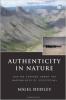
This publication examines the concept of naturalness in ecosystems, discussing its values and considering choices about the level of naturalness in conservation efforts. The author argues that all ecosystems have been modified and the idea of places 'untouched by humans' is a myth. But there are large differences in the degree of modification and levels of naturalness which can be identified.

Life itself as well as the entire human economy depends on goods and services provided by earth's natural systems. The processes of cleansing, recycling, and renewal, along with goods such as seafood, forage, and timber, are worth many trillions of dollars annually, and nothing could live without them.
Effective local management of coral reefs has a direct effect on reducing threats and improving overall coral community health. Careful zoning and effective enforcement of resource use within a marine managed area reduces impacts of overfishing, allowing populations of grazing fish to rejuvenate and maintain healthy ecosystem functioning.

This report is a contribution to the UN's International Year of Biodiversity and is a complement to the UNEP-hosted Economics of Ecosystems and Biodiversity (TEEB) which is bringing visibility to the wealth of the world's natural capital. It documents over 30 successful case studies referencing thousands of restoration projects ranging from deserts and rainforests to rivers and coasts.