The conservation status of sharks, rays, and chimaeras in the Mediterranean Sea

2016
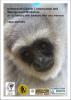
Seven recognized gibbon taxa are distributed across Kalimantan, Java, Sumatra and the Mentawai Islands of Indonesia, all of which were recently reassessed as Endangered using IUCN Red List criteria. To address these issues, an Indonesian Gibbon Conservation and Management Workshop was convened on 20-22 February 2008 at Lido Resort in Bogor, West Java, Indonesia.

Here we report on the ninth iteration of the biennial listing of a consensus of the 25 primate species considered to be among the most endangered worldwide and the most in need of conservation measures. The 2016–2018 list of the world’s 25 most endangered primates has five species from Africa, six from Madagascar, nine from Asia, and five from the Neotropics.

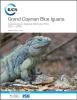
The critically endangered Blue Iguana is globally unique to Grand Cayman. Urgent wide ranging conservation measures are vital if this Caymanian flagship animal is to be saved from extinction. This document is a detailed plan for such measures, developed by the IUCN Iguana Specialist Group in consultation with the Cayman Islands Government and the National Trust for the Cayman Islands.

The threatened species categories used in Red Data Books and Red Lists have been in place for almost 30 years. The IUCN Red List Categories and Criteria provide an easily and widely understood system for classifying species at high risk of global extinction, so as to focus attention on conservation measures designed to protect them.
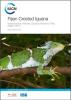
The Critically Endangered Fijian Crested Iguana, Brachylophus vitiensis, is unique to Fiji and survives today on only a few islands in western Fiji. This document is a detailed five-year plan for conservation action considered essential to reverse the species' population decline and ensure the long-term survival of this Fijian wildlife icon and its natural habitat.