In some areas of western equatorial Africa, ape populations have declined by more than 50% over the last twenty years. By far the most serious short-term threats to apes in this region are poaching and disease epidemics. In the longer term, however, it is believed that habitat loss and disturbance will become as serious a threat as hunting and disease.
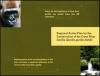
The Cross River gorilla (Gorilla gorilla diehli) is recognized by IUCN as Critically Endangered, and is the most threatened taxon of ape in Africa. Work during the last two decades has revealed that fewer than 300 Cross River gorillas may remain, spread across an area of about 12,000 km2. The outlook for these apes is far from hopeless, but a concerted and sustained effort will be required if their long-term survival is to be assured.
Numerous scientific studies show that biodiversity in Europe has been declining rapidly for some time and that this pattern has been matched by the great periods of expansion and intensification of land use. This first assessment of the Red List status of Europes and the European Union's mammals shows us that 15% of our species are threatened with extinction, 27% were identified as declining and another 33% had an unknown population trend.
The flora of the Mediterranean islands includes many rare and localised species unique to the islands. Some of these are particularly threatened with extinction due to various pressures caused by people and their activities in Mediterranean ecosystems. It includes 50 descriptive sheets of species which are especially threatened, based on the IUCN Red List criteria.