Regional fisheries organizations and the World Trade Organization : compatibility or conflict?
2003
Tarasofsky, Richard G. |
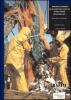
Our oceans are slowly dying, and the instruments of governance are inadequate to stop it. The international dimensions of ocean problems loom larger as we learn more about threats to marine species and ecosystems - invasive species are transported by international shipping, oceans fill with persistent organic pollutants, and nutrients from sewage and fertilizers cause excessive growth of marine plants.
Our oceans are slowly dying, and the instruments of governance are inadequate to stop it. The international dimensions of ocean problems loom larger as we learn more about threats to marine species and ecosystems - invasive species are transported by international shipping, oceans fill with persistent organic pollutants, and nutrients from sewage and fertilizers cause excessive growth of marine plants.
Our oceans are slowly dying, and the instruments of governance are inadequate to stop it. The international dimensions of ocean problems loom larger as we learn more about threats to marine species and ecosystems - invasive species are transported by international shipping, oceans fill with persistent organic pollutants, and nutrients from sewage and fertilizers cause excessive growth of marine plants.

In the 1990s, the international community placed both biodiversity protection and trade liberalisation high on its agenda, resulting in the formation of global agreements and institutions, such as the 1992 Convention on Biological Diversity (CBD) and the World Trade Organization (WTO). Distinct in character, they are increasingly linked through the many ways that trade rules affect biodiversity.
Provides an assessment of the international forest regime, in reponse to calls from many quarters, including the UN Intergovernmental Forum on Forests (IFF) and the World Commission on Forests and Sustainable Development, as well as several NGOs. The focus is mainly on action taken by countries at the global level, in the framework of legally binding instruments and institutions.