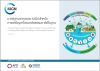
IUCN Global Standard for Nature-based Solutions : first edition (Bengali version)
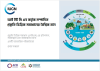
The IUCN Global Standard for Nature-based Solutions lists the Criteria and Indicators, as adopted by the 98th Meeting of the IUCN Council in 2020.
Many protected areas worldwide overlap with ‘territories and areas conserved by Indigenous peoples and local communities’ or ‘ICCAs’ (Indigenous peoples’ and community conserved areas’). These overlapped ICCAs include conserved commons, sacred places and Indigenous and community protected areas.
The IUCN Global Standard for Nature-based Solutions lists the Criteria and Indicators, as adopted by the 98th Meeting of the IUCN Council in 2020.
This Guidance for using the IUCN Global Standard for Nature-based Solutions accompanies the Global Standard to provide the scientific basis and guidance for users.
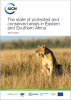
This second edition of The state of protected and conserved areas in Eastern and Southern Africa builds on the first edition published in 2020 and provides updates on how the region is managing and governing protected and conserved areas, effectively providing a regional update on the progress towards the achievement of Target 3 of the Global Biodiversity framework.
World Heritage properties are internationally recognized as places of Outstanding Universal Value that should benefit from the highest level of management effectiveness. The Toolkit 2.0 offers a self-assessment methodology to evaluate management effectiveness in a World Heritage property or other heritage place. It contains 12 tools that can be used separately or collectively to understand in detail what is working well and what can be done better.
The IUCN Global Standard for Nature-based Solutions lists the Criteria and Indicators, as adopted by the 98th Meeting of the IUCN Council in 2020.