
Wild soundscapes
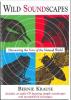
2002
Krause, Bernie |

Este informe Conflicto y conservación se centra en los conflictos armados y la naturaleza. El tema es muy oportuno, ya que los conflictos armados causan grandes daños económicos y sociales, así como daños ambientales en todo el mundo. Los conflictos han llevado a sociedades a sus límites en términos de recursos financieros y humanos. Se han perdido y perturbado vidas y bienes, se han destruido medios de subsistencia y personas han sido desplazadas.

Ce rapport Conflit et conservation met l’accent sur les conflits armés et la nature. Le sujet est tout à fait opportun, car les conflits armés causent de graves dommages économiques et sociaux, ainsi que des dommages environnementaux, partout dans le monde. Les conflits ont poussé les sociétés à leurs limites en termes de ressources financières et humaines. Des vies et des biens ont été perdus et perturbés, des moyens de subsistance détruits et des personnes déplacées.
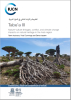
Tabe’a III addresses the status and trends in the implementation of the World Heritage Convention in the Arab region during the period from 2015 to 2019. This review was conducted in the context of emerging global trends and priorities associated with the World Heritage Convention, as well as other related global natural heritage platforms and programmes.


Conflict and conservation focuses on armed conflict and nature. The theme is highly timely as armed conflicts cause great economic and social harm, as well as environmental damage around the world. Conflicts have stretched societies to their limits in terms of financial and human resources. Lives and property have been lost and disrupted, livelihoods destroyed, and people displaced.
This document illuminates the diverse values of experiences and connections with nature and their relationship to positive behaviours towards the Earth. In 2018, led by Dr. Cheryl Charles of the Children & Nature Network, 14 co-authors, and more than 60 reviewers from 22 nations on 5 continents, came together through the #NatureForAll network to collaboratively produce the publication Home to Us All: How Connecting with Nature Helps Us Care for Ourselves and the Earth.
The high amount of land used for cultivation and livestock farming has dramatically shaped landscapes in Europe and throughout the rest of the world. Agriculture is a fundamental human activity that intrinsically depends on nature and at the same time poses a threat to it. Thus, sustainability has emerged as a necessity in future agricultural policy and practice.
Wann und warum sind bestimmte Tierarten in den Alpen gefährdet, wenn Freizeitsportler in ihren Lebensraum eindringen? Unter welchen Bedingungen können Freizeitaktivitäten unbesorgt ausgeübt werden? Worauf sollten Wanderer, Snowboarder etc. im Umgang mit den Alpentieren achten? Inwieweit können sich Tiere an Freizeitbetrieb gewöhnen? Solchen und ähnlichen Fragen widmen sich die Autoren dieses Buches.