Ptaki lak i mokradel Polski : stan populacji, zagrozenia i perspektywy ochrony

1998
Krogulec, Jaroslaw |
Tederko, Zenon |
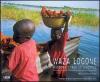
En août 1994, à la suite de diverses études, de judicieuses ouvertures faites dans la digue latérale du barrage de Maga ont permis dalimenter à nouveau le Logomatya et de réamorcer ainsi linondation de la plaine de Waza Logone. Dans ce livre les pasteurs, les pêcheurs, les gens rencontrés au détour des pistes ou des chenaux en période de crues rétablies, racontent la vie revenue vingt ans après la mise en place du barrage.
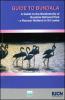
In 1990, the Bundala lagoons of Sri Lanka became the country's first Ramsar site, a wetland of international importance for migratory waterfowl. In 1992, Bundala was upgraded to a National Park. This guide to the habitats, animals and plant species currently present in Bundala National Park stems from a survey on the status of the park's biodiversity conducted by IUCN's Country Office in Sri Lanka. It is hoped that this guide will raise awareness of this important protected area.
Agriculture is one of the most important influences on biological diversity. Conventional agriculture has heavily contributed to reducing the diversity of ecosystems, species and genes, but it has also created new diversity. The eighth Interactive Session of the 2nd World Conservation Congress dealt with a broad spectrum of agricultural issues from around the world and examined the linkages between biodiversity, economy and society.