Biological survey of Nigeria : a program development submitted to the IUCN. Final report
1990
Drolet, C. A. |
A report to the World Wildlife Fund. The authors spent five weeks in India under the auspices of the World Wildlife Fund and the Government of India. The purpose of the mission was to visit a number of tiger reserves and, on the basis of this experience and discussion with Project Tiger staff, to recommend a system for the recording of vegetation, designed to monitor the effects of management practices on habitats.
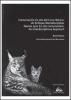
This publication represents the collaborative international work carried out towards the conservation of the Iberian lynx during the past five years, but also portrays similar studies and approaches from other felid species from various areas of the world.
Livestock are commonly kept in many refugee situations and, in many instances, form an important part of community activities. They are also a fundamental requirement in many returnee situations given the broad range of products which they can provide. This handbook is intended as a pracitcal user-guide for practioners and is expected to fill an important gap in the management tools and guidelines available to UNHCR staff and implementing partners, in particular.
During a forum held at the Vth IUCN World Parks Congress in South Africa in 2003, the Wildlife Conservation Society (WCS) and the IUCN SSC Veterinary and Southern Africa Sustainable Use Specialist Groups (VSG and SASUSG) brought together nearly 80 experts from Africa and beyond to develop ways to tackle the immense health-related conservation and development challenges at the wildlife/domestic animal/human interface facing East and Southern Africa today, and tomorrow.