Valoración del impacto de las resoluciones y recomendaciones de la UICN en el estado del patrimonio natural de España = Assessment of the impact of IUCN resolutions and recommendations on the status of Spain's natural heritage

2021

This document explores the gender dimensions of cultural practices in the Dehesa region of Spain. Specifically, the report examines the roles, responsibilities, constraints, and opportunities for women pastoralists and women involved in the wool industry.

This document provides a review of existing literature around women’s roles in local economies, cultural preservation and environmental conservation in the Mediterranean Basin. The paper further identifies data gaps and economic opportunities to support cultural practices in the region’s cultural landscapes.
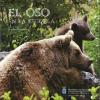
El oso pardo cantábrico se encuentra en peligro de extinción. La disminución continua de su hábitat , sobre todo, la mortalidad no natural son las principales causas del declive de la especie. Los menos de cien ejemplares que, divididos en dos grupos incomunicados entre sí, sobreviven en las montañas de la Cordillera Cantábrica pueden desaparacer definitivamente si se mantiene la actual situación.
Cranes have coexisted with agriculture for centuries in some regions and may often benefit from cropland or grazing. However, the rapid expansion and intensification of agriculture is leading to severe loss of wetland and grassland habitats important to cranes, thus increasing the conflicts between cranes and farmers. Agriculture has been one of the main drivers behind severe population declines for 11 of 15 species of cranes in the world, and affects all species in one way or another.