Plant genetic resources are crucial for world agriculture, food security and the global economy. They are vital for the pharmaceutical industry and are important assests for developing countries rich in biodiversity. The patents and intellectual property rights (IPRs) associated with the development of new products are critical to trade in these resources.
In the 1990s, the international community placed both biodiversity protection and trade liberalisation high on its agenda, resulting in the formation of global agreements and institutions, such as the 1992 Convention on Biological Diversity (CBD) and the World Trade Organization (WTO). Distinct in character, they are increasingly linked through the many ways that trade rules affect biodiversity.
This landmark publication builds on previous work between IUCN/WCPA and the European Commission and addresses the key protected area policy issues and needs of the ACP (Africa, Caribbean and Pacific) countries. It describes the actions that are required if protected areas are to be successful in the next century.
The degree to which community involvement in forest management (CIFM) is recognised by governments and is integrated into state management goals varies widely.
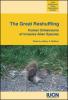
Although most antelope species still exist in large numbers in sub-Saharan Africa (some in hundreds of thousands), up to three-quarters of the species are in decline. Threats to their survival arise from the rapid growth of human and livestock populations, with consequent degradation and destruction of natural habitats, and excessive offtake by meat hunters.
IUCN's 50th anniversary celebrations in Fontainebleau, France, on 3 November 1998, included a symposium organized around three main areas: conservation, communities and consumption. A wide range of prominent scientific figures led the workshops to encourage new thinking on diverse aspects of these topics. These Proceedings contain keynote addresses and summaries of the responses elicited by these papers.
IUCNs 50th anniversary celebrations in Fontainebleau, France, on 3 November 1998, included a symposium organized around three main areas: conservation, communities and consumption. A wide range of prominent scientific figures led the workshops to encourage new thinking on diverse aspects of these topics. These Proceedings contain keynote addresses and summaries of the responses elicited by these papers.
IUCN's 50th anniversary celebrations in Fontainebleau, France, on 3 November 1998, included a symposium organized around three main areas: conservation, communities and consumption. A wide range of prominent scientific figures led the workshops to encourage new thinking on diverse aspects of these topics. These Proceedings contain keynote addresses and summaries of the responses elicited by these papers.