Formation régionale sur les zones humides de l'Afrique de l'Ouest. Thème : potentialités et problématiques de l'utilisation des zones humides
2000
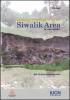
The Siwalik (Churiya) range is a fragile land system formed from sediments during the raising of the greater and lesser Himalaya. The area is considered one of the world's most important sources of the later tertiary fossils of mammals and provides a basis for much of our current knowledge about the evolution of fauna, especially primates and reptiles. The Siwaliks, ranging east to west, occupy an estimated 13; of Nepal's total land area.
Urban centres in Nepal will continue to grow as the trend to migrate to urban centres from neighbouring rural areas in search for better economic opportunities continues. This trend will have a significant impact on the existing infrastructure facilities and services of the urban centres. Haphazard growth and inadequate services have not only degraded the environmental quality of the urban centres but have made some urban areas uninhabitable.
To explore the concept of green accounting, IUCN Bangladesh held two workshops in Dhaka (1997, 1998). The participants consisted of experts, academics, bureaucrats, policy-makers, and consultants representing a broad spectrum of government and non-government agencies. The workhop proceedings have been published to create a greater awareness of the need for the application of environmental accounting in Bangladesh.
The Vietnam Biodiversity Action Plan (BAP) was developed by the Ministry of Forestry and the State Committee of Science, in collaboration with WWF and UNDP. I was published in 1994 and approved by the government in 1995. This workshop was a critical assessment of the BAP's three years of implementation.

This source book contains 15 chapters on diverse topics, ranging from components of the natural environment to efforts in environmental management. While it is primarily intended for students and teachers in the Faculty of Education and Tribhuvan University-affiliated campuses, it will also be useful to researchers and general readers interested in the state of the global environment as well as the environment in Nepal.