The IUCN Red List Categories and Criteria were developed for classifying species at high risk of global extinction, i.e. for assessment at the global level. Guidelines on the application of the IUCN Red List Criteria at national or regional levels were also developed and this volume presents the revised guidelines, published in 2012.
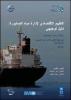
The aim of this guideline is to aid maritime administrators, or other lead agencies working with ballast water management, to assess and quantify (as appropriate and possible) the potential economic consequences of unintended marine species introductions.
This manual is the product of countries requests for assistance in strengthening and developing national regulatory frameworks related to marine Invasive Alien Species (IAS) in particular with respect to the transfer of potentially harmful aquatic organisms and pathogens in ships ballast water and sediments. It is directed at national level practitioners as a hands-on guide to the development of national ballast water management strategies.
The aim of this guideline is to aid maritime administrators, or other lead agencies working with ballast water management, to assess and quantify (as appropriate and possible) the potential economic consequences of unintended marine species introductions.
Le but de cette directive est dassister les administrateurs maritimes ou dautres agences de direction travaillant sur la gestion des eaux de ballast à évaluer et quantifier autant que possible les conséquences économiques potentielles dintroductions involontaires despèces marines.
This manual is the product of countries requests for assistance in strengthening and developing national regulatory frameworks related to marine Invasive Alien Species (IAS) in particular with respect to the transfer of potentially harmful aquatic organisms and pathogens in ships ballast water and sediments. It is directed at national level practitioners as a hands-on guide to the development of national ballast water management strategies.