African elephants are confronted with habitat loss and degradation and increasing levels of human elephant conflict. Management authorities in sub-Saharan Africa are increasingly turning to translocation as a means to meet such challenges. This trend has to take into account changing political and welfare considerations for elephants, and managers need to understand the justification for translocation as well as the technical challenges.
African elephants are confronted with habitat loss and degradation and increasing levels of human-elephant conflict. Management authorities in sub-Saharan Africa are increasingly turning to translocation as a means to meet such challenges. This trend has to take into account changing political and welfare considerations for elephants, and managers need to understand the justification for translocation as well as the technical challenges.
Les chimpanzés vivent à létat sauvage uniquement en Afrique tropicale où leur population a diminué de plus de 66% au cours des trente dernières années. Ce plan daction concerne lune des quatre sous-espèces de chimpanzés, le chimpanzé dAfrique occidentale, qui est lune des deux sous-espèces les plus menacées dextinction.
Being an island, Sri Lanka is rich in coastal and marine habitats. Sub-target_idal habitats such as coral and rocky reefs are abundant, along with large soft bottom habitats. In addition, inter-target_idal and coastal habitats are an important part of the marine ecosystem and provide shelter for a large number of plant and animal species.
This publication presents the proceedings of the National Symposium on Wetland Conservation and Management held in 2003 in Colombo. An Introduction to Wetland Conservation in Sri Lanka is followed by ten papers on various themes on wetlands presented by eminent scientists along with the recommendations arising from the symposium.
IUCN has been working to raise awareness regarding the values of wetland ecosystems, the threats to wetlands, wetland dependent peoples and species, and to build capacity for conservation and sustainable use of wetlands in Nepal. This report is the result of a significant project development effort undertaken by IUCN Nepal over the last two years, which was to design a national project for conservation and sustainable use of wetlands in the country.
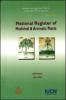
The National Register of Medicinal and Aromatic Plants (NRMAP) was put together in the year 2000 to assist His Majestys Government of Nepal in building up a national register of biological diversity. It provided a format to integrate taxonomic information with details of medicinal properties and uses documented in Nepals Ayurvedic texts and ethnobotanical literature.

Deteriorating air quality is a growing concern in most countries, including Nepal. Many factors are responsible for changing air quality and this varies from one location to another. This monograph has attempted to undertake review of the experiences with different policies related with influencing air quality changes in Nepal and also to identify potential policy instruments for further improving air quality.