
Reflexiones Mediterráneas : año 2010
2011
Ce rapport présente une évaluation préliminaire des Zones importantes pour les plantes en Méditerranée méridionale et orientale, plus lAlbanie. Dix recommandations ont été formulées, qui contribueront à orienter les actions de conservation de la flore sauvage en Méditerranée. La mise en oeuvre effective de ces recommandations permettra daméliorer à long terme lenvironnement et la qualité de vie des habitants dans cette région unique.
This report presents a review of the conservation status of 165 species of dragonflies found in the Mediterranean basin, according to the criteria of the regional IUCN Red List. It identifies the species that are threatened with extinction at the regional level so that they can take appropriate conservation measures to improve their status.
This report presents a review of the conservation status of 165 species of dragonflies found in the Mediterranean basin, according to the criteria of the regional IUCN Red List. It identifies the species that are threatened with extinction at the regional level so that they can take appropriate conservation measures to improve their status.
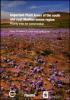
This report describes a rapid assessment of Important Plant Areas in the south and east Mediterranean; a project designed to provide the wild plant perspective for the regional investment strategy of the Critical Ecosystem Partnership Fund. The project partnership of IUCN, Plantlife International and WWF with botanical teams from Algeria, Egypt, Israel, Jordan, Lebanon, Libya, Morocco, Palestine, Tunisia, Syria and Albania, was supported by the French Development Agency.
With the highest percentage of threatened sharks and rays in the world, the Mediterranean region is in need of regional planning and policy development for the conservation and sustainable management of chondrichthyan fishes. This third report in the series of Mediterranean Red List Assessments presents the findings of an expert workshop at which 71 Mediterranean species of sharks, rays and chimaeras (cartilaginous fishes) were assessed using the IUCN Red List categories and criteria.

With the highest percentage of threatened sharks and rays in the world, the Mediterranean region is in need of regional planning and policy development for the conservation and sustainable management of chondrichthyan fishes. This third report in the series of Mediterranean Red List Assessments presents the findings of an expert workshop at which 71 Mediterranean species of sharks, rays and chimaeras (cartilaginous fishes) were assessed using the IUCN Red List categories and criteria.
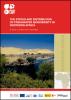
This assessment is the first overview of the conservation status of 877 northern African freshwater species belonging to five taxonomic groupsfish, molluscs, dragonflies and damselflies, freshwater crabs and aquatic plantsin accordance with the IUCN regional Red List guidelines. Species at risk of regional extinction are mapped and conservation measures are proposed to reduce the probability of future declines.
La acuicultura se enfrenta en la actualidad a un reto importante; suplir la creciente demanda de productos marinos de calidad, aliviando a su vez la presión que las flotas pesqueras ejercen sobre los caladeros. El propósito de esta guía es promover el desarrollo sostenible de la acuicultura mediterránea proporcionando directrices básicas para la correcta selección y gestión de emplazamientos de acuicultura.
<p>Llamamos el Mar de Alborán la zona marítima que es la entrada y salida del Mar Mediterráneo y el punto de contacto entre Europa y África. Es un área muy rica en biodiversidad y por lo tanto requiere una protección y gestión eficaz.