When making assessments at regional levels it is also particularly important to recognize that while IUCN Red List Categories reflect the relative extinction risk of species, the process of setting priorities for conservation actions may require several additional considerations. As a consequence, the following guidelines were produced to assist in the application of the IUCN Red List Categories and Criteria at regional levels.
During recent years there has been increasing interest in restoring the forest landscapes of Lebanon. A number of initiatives supporting different reforestation activities are being developed in the country. Most initiatives, however, have been focusing on no more than three tree species, partly because of the lack of technical references for native species production.
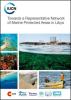
Of the current 750 marine and coastal protected areas that have been created in the Mediterranean, two thirds of these are along the northern coast of the sea. Therefore important habitats along the eastern and southern coast are under-represented. The Mediterranean Representative Areas and Species (MedRAS) project aims at identifying priority habitats and species in these under-represented areas to be managed and protected. The focus of the present report is on Libya.
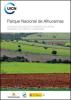
Esta guía sobre el Parque Nacional de Alhucemas se centra en la producción de planta forestal en vivero y en los desafíos de repoblación forestal en el bosque mediterráneo y trata también los aspectos relativos al cultivo, procesado de productos derivados y de rendimiento y rentabilidad de los cultivos de plantas aromáticas y medicinales. Esta publicación de carácter técnico también contiene fichas de producción de plantas que constituyen una interesante herramienta de difusión.
This report describes a rapid assessment of Important Plant Areas in the south and east Mediterranean; a project designed to provide the wild plant perspective for the regional investment strategy of the Critical Ecosystem Partnership Fund. The project partnership of IUCN, Plantlife International and WWF with botanical teams from Algeria, Egypt, Israel, Jordan, Lebanon, Libya, Morocco, Palestine, Tunisia, Syria and Albania, was supported by the French Development Agency.
Ce rapport présente une évaluation préliminaire des Zones importantes pour les plantes en Méditerranée méridionale et orientale, plus lAlbanie. Dix recommandations ont été formulées, qui contribueront à orienter les actions de conservation de la flore sauvage en Méditerranée. La mise en oeuvre effective de ces recommandations permettra daméliorer à long terme lenvironnement et la qualité de vie des habitants dans cette région unique.