Stratégie d'action pour les aires protégées du domaine afro-tropical
1987
Lusigi, Walter J. |
Thorsell, J. W. |
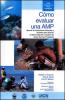
IUCN, WWF and the US National Oceanic and Atmospheric Administration (NOAA) have developed this guidebook to assist marine protected area (MPA) managers in assessing the performance of their MPA. Based on this assessment, it shows how necessary changes can be made to improve management measures.
IUCN, WWF and the US National Oceanic and Atmospheric Administration (NOAA) have developed this guidebook to assist marine protected area (MPA) managers in assessing the performance of their MPA. Based on this assessment, it shows how necessary changes can be made to improve management measures.
The system of protected area management categories lies at the centre of IUCN's work and its mission; their effective use is of fundamental concern to the Union and its members. This project has looked at the successes, failures, strengths and weaknesses of the categories after a decade of use, with the intention of giving guidance on steps needed to improve their future effectiveness in response to changing needs and conditions.

Provides guidance for local stakeholder, managers and policy makers on appropriate management approaches for coral reefs that have been severely degraded through bleaching or other causes. The widespread bleaching event in the western Indian Ocean in 1998-9 provides a general case study that will result in recommendations of value to reef managers in all regions

Provides guidance for local stakeholder, managers and policy makers on appropriate management approaches for coral reefs that have been severely degraded through bleaching or other causes. The widespread bleaching event in the western Indian Ocean in 1998-9 provides a general case study that will result in recommendations of value to reef managers in all regions
Eighty per cent of the world's population depends on traditional medicine for its primary health care needs, a system of medicine in which most of the drugs and cures used come from plants. Yet many of the plant involved are increasingly threatened. These Guidelines outline in clear steps the tasks that need to be done to conserve them. Of interest primarily to nature conservationists and health policy-makers, but also to ethnobiologists, ecologists, agronomists and pharmocologists.
Eighty per cent of the world's population depends on traditional medicine for its primary health care needs, a system of medicine in which most of the drugs and cures used come from plants. Yet many of the plant involved are increasingly threatened. These Guidelines outline in clear steps the tasks that need to be done to conserve them. Of interest primarily to nature conservationists and health policy-makers, but also to ethnobiologists, ecologists, agronomists and pharmocologists.