
Catégories, objectifs et critères des aires protégées : rapport final
1978

It has become clear during recent global deliberations on biodiversity conservation that achieving Protected Area (PA) financial sustainability will require major changes in the way that PA funding is conceptualized, captured and used.
IUCN, WWF and the US National Oceanic and Atmospheric Administration (NOAA) have developed this guidebook to assist marine protected area (MPA) managers in assessing the performance of their MPA. Based on this assessment, it shows how necessary changes can be made to improve management measures.
In this toolkit, we focus on both human (socioeconomic) and biophysical (ecological) aspects of monitoring. Socioeconomic monitoring normally focuses on peoples knowledge and attitude towards an ecosystem as well as their natural resource use and dependence. Ecological monitoring on the other hand will generally focus on a specific species or ecosystem, using supporting information on environmental conditions and associated organisms.
L'Afrique de l'Ouest dispose d'importantes potentialités en termes de biodiversité, notamment dans ses aires protégées, dont neuf parmi les plus exceptionnelles, localisées dans cinq pays (Mauritanie, Sénégal, Guinée, Côte d'Ivoire et Niger), sont inscrites sur la liste des sites du patrimoine mondial naturel de l'UNESCO.
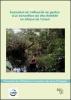
La présente évaluation de l'efficacité de gestion des sites Ramsar d'Afrique de l'Ouest a été réalisée à partir d'un échantillon de treize sites en Afrique de l'Ouest, répartis dans cinq pays (Bénin, Burkina Faso, Ghana, Liberia et Mali), francophones ou anglophones.

Protected areas in Ghana cover 5.6% of the country and are of economic importance as they contribute to improving standards of living of communities surrounding them. However, these protected areas are subject to pressures and threats, the main ones being poaching, bush fires and land conversion due to farming or grazing around or within the protected areas. There pressures and threats increase the protected areas vulnerabilities.

The goal of this toolkit is to help promote environmental stewardship and increase awareness of marine and coastal ecosystems among schoolchildren in Asia through the use of creative, investigative approaches. Investigative approaches allow schools to make the local environment relevant and interesting to children in coastal communities and help to reinforce the need for wise and sustainable management of our coastal and marine resources.

Les aires protégées du Togo sont soumises à de fortes pressions, essentiellement dues à linfluence des populations. De même, la diversité faunique reste très menacée. Cette étude avance un certain nombre de recommandations pour tenter daméliorer cette situation à court et à moyen terme.
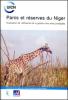
Les aires protégées du Niger couvrent environ 6,6% du territoire national. Souvent, linadéquation des ressources humaines disponibles, combinée au climat dinsécurité qui règne dans certaines zones, rend ces aires protégées vulnérables aux multiples pressions qui sexercent sur elles, telles que le braconnage, lutilisation illégale des terres, lexploitation du bois et des produits forestiers non ligneux ou lexploitation minière.