
A better future for the planet Earth, vol.I–V (1992–2016)

2018
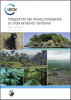
Ante un mundo cambiante, en el que aumentan y se aceleran las presiones sobre la biodiversidad –situación que pone en riesgo el mantenimiento y uso de los servicios ecosistémicos esenciales para el bienestar humano y que incrementa los conflictos socioambientales e intersectoriales–, es fundamental la integración y posicionamiento de las áreas protegidas en los instrumentos normativos, técnicos y de política pública de ordenamiento&n
This innovative book identifies the key issues that block progress in sustainable development and proposes transdisciplinary solutions. Presenting a review of the epistemology and ethics of this policy field including current policy responses, it examines the ethical and policy implications from a multarget_idisciplinary perspective.
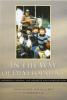
A collaboration between indigenous leaders, social activists and scholars from a wide range of disciplines, In the Way of Development explores the current situation of indigenous peoples enmeshed in the remorseless expansion of the modern economy. The volume assembles a rich diversity of statements, case studies and wider thematic explorations all starting with indigenous peoples as actors, not victims.

Experts estimate that some 200 million hectares of new trees must be planted during the next ten years if developing countries are to meet their people's needs for tree products. The government, even with international support, cannot finance all, or even most, of the necessary work. Thus, much of the work must be done by the rural people themselves.

This summary statement was adopted by the Bergen Science Conference on 12 May 1990, and presented to the Ministerial Session of the Regional Conference on the Report of the World Commission on Environment and Development in the ECE Region on 14 May 1990.
This policy brief examines how the inter-linkages approach to sustainable development governance can be used to help make sustainable development financing more effective and efficient.

Transforming Multilateral Diplomacy provides the inside view of the negotiations that produced the UN Sustainable Development Goals (SDGs). Not only did this process mark a sea change in how the UN conducts multilateral diplomacy, it changed the way the UN does its business.

