
Sustainable use technical papers : over 50 technical papers relating to sustainable use of wild living natural resources
2001
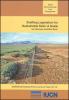
This is a unique publication relating to legal frameworks of natural resources management. Following the Legal and Institutional Frameworks for Sustainable Soils (EPLP 45), this publication contributes to the revision of existing, and drafting of new, legislation relating to soils. It highlights the need for national soil policy, and sets out a soil management plan.
Great uncertainty typically surrounds decisions and management actions in the conservation of biodiversity and natural resource management, and yet there are risks of serious and irreversible harm for both biodiversity and the humans that rely on it. The Precautionary Principle underlies all international conservation efforts and entails acting to avoid serious or irreversible environmental harm, despite lack of scientific certainty as to the likelihood, magnitude or cause of harm.

Recopila una selección de treinta experiencias de Brasil, Chile, Costa Rica, Cuba, Ecuador, El Salvador, México, Perú y dos experiencias internacionales, sobre el avance en la vinculación entre ambiente y género, tanto por la apropiación de la dimensión ecológica por parte de las personas que trabajan en los temas sociales, como también por la redimensión de los procesos técnicos de conservación y uso de los recursos.

Pretende ser guía en temas de derecho ambiental, así también para la educación superior y la formación de ciudadanos y tomadores de decisiones, en el ámbito del desarrollo sostenible. Contiene temas generales sobre derecho ambiental, su problemática y su aplicación práctica, en el contexto centroamericano.
With more than 70 individual sites, nationally and internationally designated, in the Western Indian Ocean, there is a growing need to ensure and improve the management effectiveness of the marine protected areas. This toolkit aims to act as a first point of call in the search for information on issues that MPA managers and practitioners face in day-to-day operations.
With 2.5 million square kilometers of largely intact tropical rainforest and savannah, 10-15% of the worlds fresh water reserves and an extremely rich and highly endemic biodiversity, the Guiana Shield ranks among the most important ecological regions in the world. This report highlights the Non-Timber Forest Products (NTFPs) of the Guiana Shield.
